
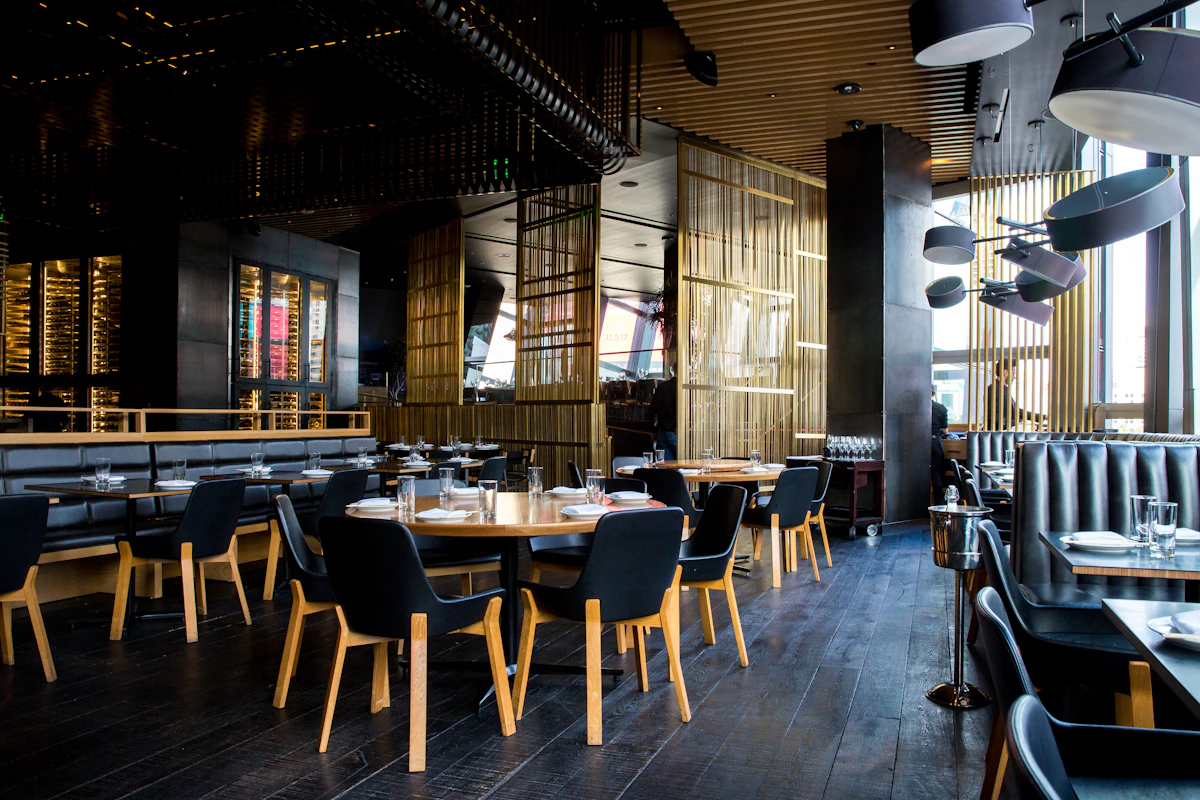
Why Restaurants and Bars Need a Different Camera Plan
A restaurant is one of the hardest buildings to cover well. It has a cash register and a card terminal at the front, a busy kitchen with hot and wet floors in the middle, a walk-in cooler and dry storage in the back, and a back door that gets opened dozens of times a day for deliveries, trash and smoke breaks. Add a parking lot that stays busy until closing and, for a bar, a crowd that changes character after ten at night, and you have five or six separate security problems under one roof.
Most of the restaurant and bar owners we talk to in Fort Worth did not buy cameras because of a dramatic crime. They bought them because of a small, recurring leak: a till that never quite balances, a case of product that disappears from the walk-in, a customer who claims they slipped near the soda station, or a late-night parking lot dispute that nobody can sort out the next morning. Cameras do not fix those problems on their own, but they replace arguments with footage, and that is usually worth more than any single prevented theft.
We install for independent restaurants, taquerias, barbecue joints, coffee shops, bars and event venues across Tarrant County. Our dedicated pages cover Restaurant Security Cameras and Bar and Nightclub Security Cameras, and this guide walks through how we actually lay out a hospitality system from the register to the dumpster.
The Register, the POS and the Front Door
Start where the money changes hands. A camera over the register should be mounted so it sees the cash drawer, the screen and the face of the person standing at the counter, not the top of a head. In practice that means a dome or turret camera mounted at the ceiling slightly in front of and above the register, angled down, rather than one tucked in a far corner with a wide lens.
If your point-of-sale system supports it, a transaction text overlay ties each ring-up to the matching video, so you can pull up exactly what happened on a voided ticket or a no-sale drawer open without scrubbing through hours of footage. For owners who suspect register shrinkage, this single feature often pays back the cost of the whole system.
The front door deserves its own camera at roughly five to six feet, aimed level at the entrance, so every customer produces a clear face shot as they walk in. A camera mounted high and aimed down at a steep angle mostly records hats and hair. Pair it with a second wide camera covering the dining room, which handles walk-outs, disputes and slip-and-fall claims.
For bars, add a camera on the bar top itself, aimed along the bar rather than straight down, so pours, tabs and cash handling are visible. This protects the owner from over-pouring and till shortages and protects honest bartenders from unfair accusations.
Kitchen, Walk-In and Back Door
The back of the building is where most restaurant loss actually happens. Product leaves through the back door in trash bags and boxes, deliveries get short-counted, and after-hours entry usually comes through the rear. A camera on the back door interior and another aimed at the exterior door and dumpster area covers all three cases.
Inside the kitchen, you want wide coverage of the cooking line and prep area, plus a camera at the walk-in cooler and dry storage door. Kitchen cameras need to be rated for grease, steam and heat. A standard indoor dome mounted above a fryer will fog and gum up within weeks, so we mount kitchen cameras away from direct exhaust and use sealed housings that wipe clean.
Kitchen footage also helps in disputes over food safety complaints, burns and employee injuries. When a customer claims food was served unsafe or a staff member reports a workplace accident, having a clear record of what actually happened often settles the question quickly.
One practical note on audio: we recommend leaving audio recording off in nearly every restaurant. Recording conversations between staff and customers adds legal complexity and rarely adds value beyond what video already provides.
Parking Lots, Patios and Closing Time
For many Fort Worth restaurants and bars, the most dangerous moment of the day is closing. Someone is carrying a bank deposit or a bag of cash to a car in a dim lot, often alone, often late. Parking lot cameras, supported by good lighting, deter the opportunistic and give you evidence if something happens.
The biggest mistake we see in parking lot coverage is relying on infrared night mode alone in a poorly lit lot. Full-color night cameras need some ambient light to produce color footage, so a few well-placed LED fixtures often do more for your footage quality than upgrading the camera itself. A camera that shows a vehicle color, clothing and a face is dramatically more useful than a grainy grayscale blur.
If you have a patio, treat it as a separate zone with its own camera. Patios are where most bar disputes start, where drink spills turn into slip-and-fall claims, and where after-hours trespassing tends to happen. For businesses with a fenced rear lot or a drive-through lane, a license plate recognition camera at the entrance can capture plates cleanly, which a general-purpose wide camera cannot do reliably at night.
For bars and venues that serve alcohol, clear footage of the entrance and the bar helps document how patrons were handled, which can matter if there is ever a liability question. We are not lawyers, so talk to your attorney and insurance carrier about specifics, but footage is almost always better than no footage.
How We Install in a Working Restaurant
A restaurant cannot close for a day so we can run cable. We plan installs around your slow hours, typically mid-morning or mid-afternoon, and work area by area so your line and dining room keep running. Most small restaurant systems of eight to sixteen cameras are finished in one to two working days.
All cameras run on single Cat6 cables that carry both power and data, which keeps the install clean and avoids needing outlets near every camera. Cabling is routed through ceilings and walls and labeled at both ends, and the recorder goes in a locked office, storeroom or closet away from public view, because a visible recorder is the first thing a thief or a bad actor goes for.
Everything records locally to your own NVR with no monthly fee. You get remote viewing on your phone so you can check the dining room from home, the lot at closing, or the back door when an alarm company calls. We set up the app, tune motion alerts so you are not pinged for every passing car, and show you how to export a clip for police, insurance or a disputed claim.
For the broader scope of what we install for businesses, see our Commercial Security Camera Installation page. When you are ready, request a walkthrough at Free Security Camera Quote or call (817) 231-2962.
Need Professional Installation or a Custom System Estimate?
Call our local technicians at 817-231-2962 for transparent pricing and itemized quotes.
Frequently Asked Questions
Local DFW Service Area & City Pages Directory
Fort Worth Security Cameras provides hardwired 4K CCTV installation, commercial surveillance, and structured cabling across Tarrant, Dallas, Denton, Johnson, Collin, and Ellis counties. Select your local city page below to review city-specific project examples, neighborhood case studies, and transparent local pricing: